




Table of Contents
If Weight Loss has started feeling weirdly harder after 40, you’re not alone. At Eros Beauty and Wellness, we see this all the time. A lot of people are doing “basically the same things” and still seeing a new combo of stronger cravings, lower energy, and a waistline that feels stuck.
This is fixable, but the fix usually looks less like a dramatic reset and more like a few practical moves you can repeat on your busiest weeks.
Why Weight Loss After 40 Feels Different
Many people ask, “Why is it harder to lose weight after 40?” because the same routine suddenly stops working.
Hormonal shifts can influence appetite, energy, and fat storage. That’s a big reason midlife is often associated with hormonal weight gain after 40, even when your meals look similar to what they used to.
Muscle also tends to decline gradually. With less muscle, baseline calorie burn can dip, which many people notice as a metabolism slowdown after 40. Combine that with less daily movement, and progress can feel slower.
That’s why we track more than the scale. Starting with body composition analysis for weight loss helps you see changes in fat, muscle, and measurements, even when the scale moves in steps.
What Emotional Eating Looks Like And Why It Spikes After 40
Emotional eating is usually a stress response, not a personality flaw. It often shows up when you’re depleted and looking for quick relief.
Common signs include:
- eating when you are not physically hungry
- craving comfort foods at night
- feeling guilty afterward and “starting over” the next day
This pattern fuels emotional eating and weight gain because extra calories often happen when you feel most tired or overwhelmed.
After 40, triggers can multiply: heavier responsibilities, decision fatigue, and poor sleep. That’s the stress and belly fat connection most notice in real life: when you’re stressed, cravings get louder and sticking to your plan gets tougher.
Interrupting Emotional Eating Without White-Knuckle Willpower
When you’re exhausted, willpower is not a reliable plan. It can kickstart your journey, but it is usually unreliable. What really helps is putting a small speed bump between the urge and the eating.
Here’s a simple pause plan you can try:
- Name what you’re feeling (stressed, lonely, overwhelmed, bored).
- Drink some water and set a 10-minute timer.
- After 10 minutes, decide what you actually need: food, rest, movement, or connection.
If you still choose to eat, please drop the punishment. Beating yourself goes nowhere, and it tends to trigger more emotional eating, not less.
Next, pick one or two “non-food resets” you will actually use. Keep it basic: a short walk, a quick shower, a few minutes outside, a stretch, or texting a friend. And if you are truly hungry, choose something that holds you over, like a protein-forward snack.
One more practical fix: do not under-eat earlier in the day. Skipping breakfast or going too light at lunch can backfire. It only makes nighttime cravings hit harder.
Why Belly Fat Can Be Stubborn And What Actually Helps
When people say stubborn belly fat after 40, they usually mean their waistline is changing even with effort. Ab workouts don’t spot-reduce fat. Belly fat shifts through overall fat loss and improved body composition.
Two foundations matter most: strength training and nutrition, which you can repeat.
Strength training helps preserve and build muscle, which supports metabolism and “shape” changes. Nutrition-wise, protein, fiber, and hydration strongly affect appetite and cravings.
Avoid crash dieting. Aggressive restriction can trigger binge eating and the “good week, bad weekend” cycle. A sustainable deficit, repeated over time, tends to win.
A Simple Weekly Strategy That Supports Both Fat Loss And Better Control Around Food
For weight loss for busy professionals, reducing decisions is the point.
A workable weekly structure looks like this:
- Pick 2 or 3 repeatable breakfasts and lunches.
- Build dinners around a balanced plate: protein, produce, carbs, and healthy fats.
- Plan 1 or 2 flexible meals so cravings don’t build into a blowout.
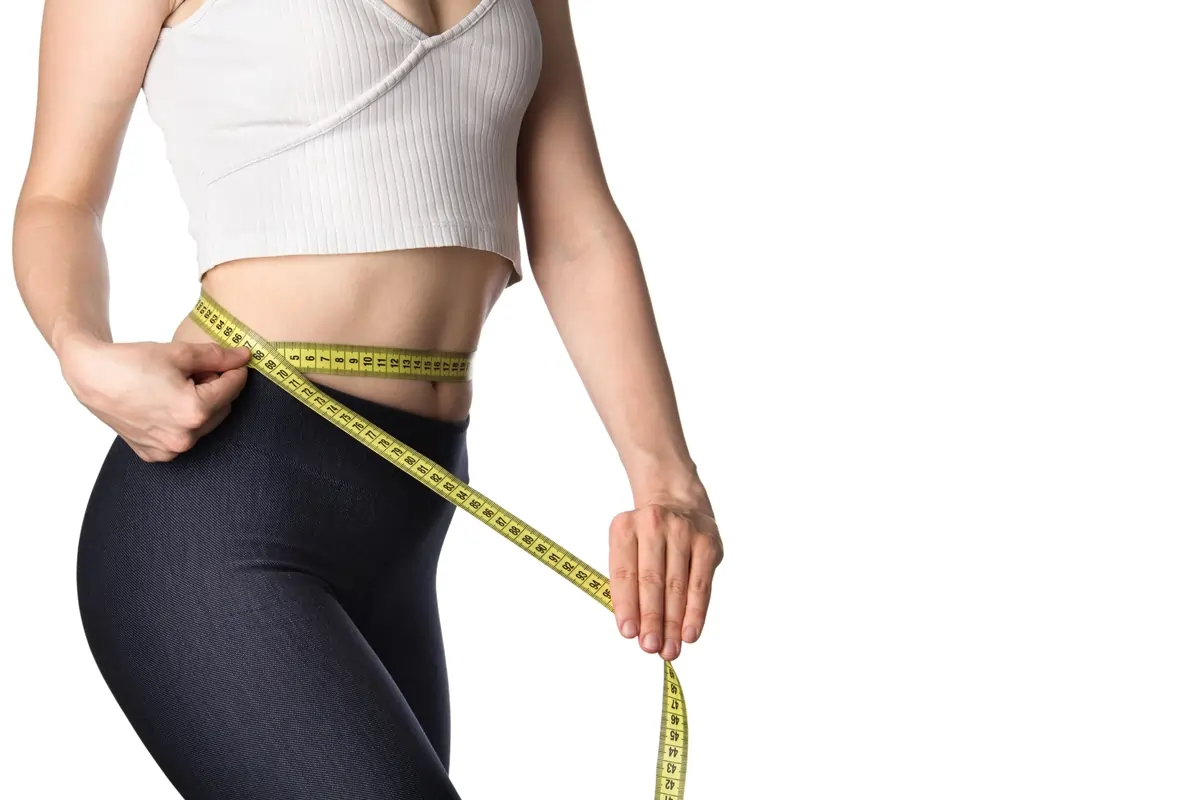
Track more than pounds. Waist measurements, photos, sleep quality, and energy often show change before the scale does.
Where A Structured Program Helps When You Feel Stuck
At Eros Beauty and Wellness in San Diego, our weight management program starts with a comprehensive assessment, then we create a personalized plan that may include nutritional guidance and meal planning, exercise recommendations, and behavior support for cravings and habit building.
You’ll also have ongoing check-ins so we can tweak what isn’t working, instead of you having to start over. And when you’re seeing progress, we help you shift into maintenance so it feels easier to keep.
How To Know You Are Making Progress Even If The Scale Is Slow
Slow progress can still be real progress. Early wins often look like fewer cravings, steadier energy, and better sleep.
Pay attention to consistency milestones, too. If you’re having fewer “reset Mondays” and your routine feels more stable, that’s a big sign you’re building something that can last.
If you need to adjust, change one lever at a time. Add protein at breakfast, add a couple of strength sessions, increase daily steps, or tighten up sleep. One change you can keep is better than five changes you quit.
Ready For A Plan That Feels Doable?
If emotional eating, low energy, and belly weight have you feeling stuck, you do not need another extreme reset. You need a plan that fits your actual schedule, plus a few clear steps you can repeat even when life gets hectic. If you’re in San Diego, reach out to Dr. Christine Eros at Eros Beauty and Wellness so we can talk through what’s been happening, complete a body composition analysis for weight loss, and map out a practical plan with realistic check-ins and adjustments as you go, so you’re not guessing week to week.